
 386-758-3409
When temperatures drop suddenly overnight, homeowners with well systems face a unique set of risks. Frozen pipes, damaged pumps, and interruptions to the water supply are common winter problems that can quickly escalate into expensive repairs if not addressed early.
The good news is that with a few proactive steps, you can significantly reduce the risk of freeze-related damage and keep your well system running safely all winter.
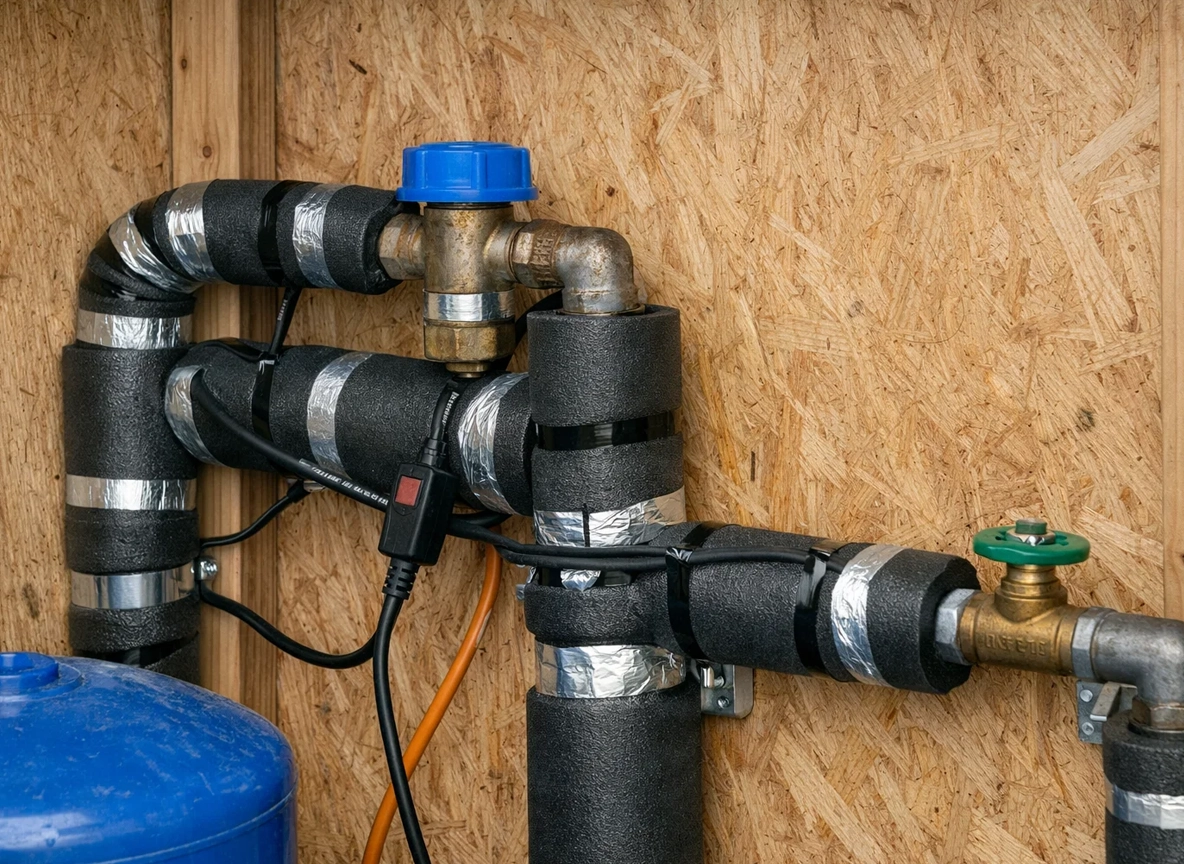
Insulate Exposed Components
One of the most important steps is insulating exposed components. Any pipes, pressure tanks, or fittings in basements, crawl spaces, garages, or well houses should be properly insulated. Foam pipe insulation, heat tape, and insulated well covers are inexpensive solutions that can make a big difference during overnight cold snaps. Pay special attention to areas where cold air can easily seep in, such as vents, cracks, or poorly sealed doors.
Keep Indoor Temperatures Warm and Consistent
Keeping consistent indoor temperatures is another key factor. If parts of your well system are located inside your home, avoid turning the thermostat down too low at night. Even a small temperature drop can allow pipes near exterior walls to freeze.
Pro tip: During extreme cold, opening cabinet doors under sinks can help warm air circulate around plumbing lines.
Protection Is Key
For outdoor well components, proper protection is essential. Make sure your well cap is secure and in good condition, and consider installing an insulated well house if one isn’t already in place. Snow cover can actually act as insulation, so avoid clearing snow directly around the well unless necessary. In prolonged freezing conditions, allowing a small trickle of water to run overnight can help prevent pipes from freezing by keeping water moving through the system.
Power outages during winter storms add another layer of risk. If your well pump loses power during freezing temperatures, standing water in pipes may freeze quickly. Having a backup power source, such as a generator, can help maintain system operation and reduce the likelihood of damage.
The Signs of a Frozen Well
It’s also important to recognize the signs of freezing or developing problems. Reduced water pressure, unusual noises, air spurting from faucets, or no water at all can indicate frozen or damaged components. If this happens, avoid attempting aggressive DIY fixes like using open flames or high-powered heaters, which can cause further damage or create safety hazards.
Call Our Technicians!
This is where a professional well technician becomes invaluable. Licensed well technicians have the training and equipment to safely thaw frozen pipes, diagnose pump issues, and repair damage without compromising the system. Regular professional maintenance—especially before winter—can identify vulnerabilities such as aging pipes, failing pressure switches, or inadequate insulation before they lead to emergencies.
A professional can also recommend long-term upgrades, such as frost-proof pitless adapters, improved insulation, or system modifications tailored to your local climate. These preventive measures not only protect your well system from freezing but also extend its overall lifespan and improve reliability.
Overnight freezes may be unpredictable, but well system damage doesn’t have to be. By taking preventive steps and partnering with a trusted well technician for maintenance and repairs, homeowners can protect their water supply, avoid costly winter emergencies, and enjoy peace of mind all season long.
Schedule an appointment with A&B Well Drilling & Pump Service. We make well water work for you!