
 386-758-3409
When it comes to the water flowing through your home, not all sources are created equal. Many homeowners in rural and suburban areas rely on private wells, while others connect to municipal water systems. Both options have unique advantages and challenges—especially when it comes to plumbing performance, drilling and pump systems, and ongoing maintenance. Understanding these differences can help you make the best choice for your household’s comfort and long-term budget.
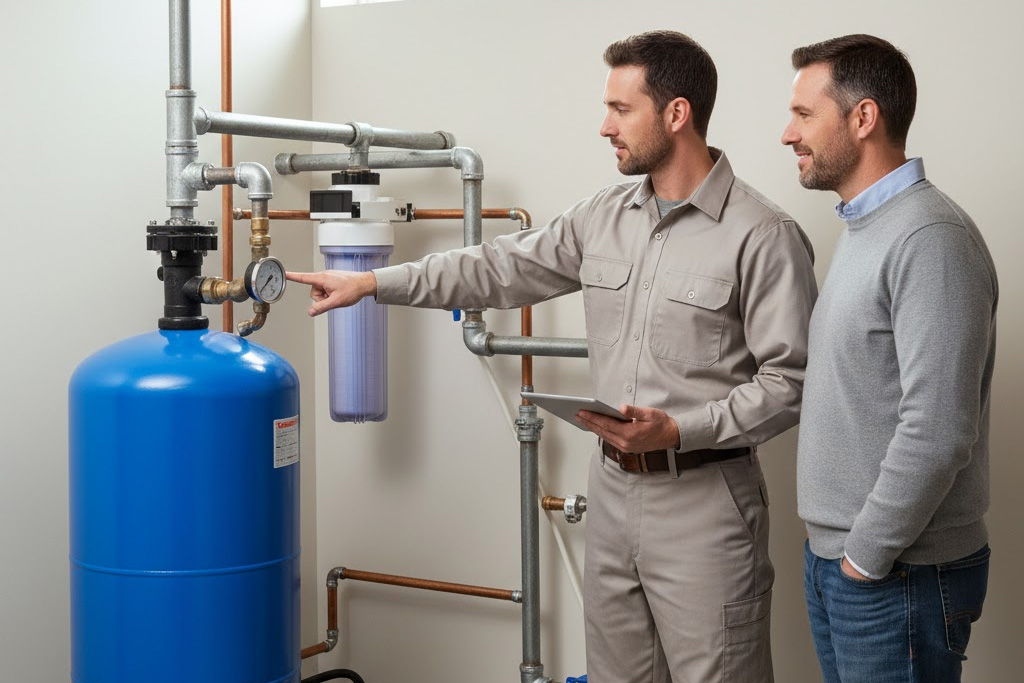
What Affects the Cost of Drilling a Water Well?
The cost of water well drilling depends on the property, required well depth, and equipment needed for a reliable water supply. Common cost factors include:
- Drilling depth and ground conditions
- Well casing and installation materials
- Well pump and pressure tank
- Property access and site preparation
- Water testing or treatment needs
Because every property is different, a professional well assessment can provide a more accurate estimate based on local conditions and the system your home requires.
Municipal Water: Convenience and City Infrastructure Benefits
Municipal water is managed by local utilities that handle water collection, treatment, and distribution. Homeowners simply connect to the system and pay a regular fee based on usage. The setup is straightforward and typically provides consistent water pressure and predictable service. Municipal water is treated to meet safety standards, which helps reduce contaminants and bacteria. However, some people find that the chemicals used for treatment—such as chlorine and fluoride—affect taste and may contribute to minor corrosion inside older plumbing systems.
Well Water: Control, Independence, and Private Supply
Well water operates quite differently. Instead of relying on a city or county system, homeowners draw water directly from underground aquifers through a private well. This approach eliminates monthly water bills, but it requires a substantial initial investment in drilling, casing, and installing a pump. The exact cost depends on local geology, depth, and accessibility. A well system also includes pressure tanks and other equipment that rely on electricity to deliver water to the home. If the pump fails or power is lost, the water supply can be temporarily interrupted.
Cost Comparison: Well Water vs Municipal Water
From a plumbing standpoint, well systems can present more challenges over time. Because well water often contains higher mineral content, calcium and magnesium can build up inside pipes and fixtures, creating hard water problems. This can shorten the lifespan of water heaters, dishwashers, and faucets if not properly treated. Homeowners with wells frequently install water softeners or filtration systems to protect their plumbing and improve taste and odor. In contrast, municipal water usually arrives softer and cleaner, though it may leave behind mineral traces or a slight chemical taste depending on the treatment process.
Maintenance responsibilities also differ significantly between the two systems. Municipal water users rarely handle any maintenance beyond occasional plumbing repairs, since the utility manages infrastructure, testing, and quality control. However, when problems occur—such as main breaks or boil advisories—residents have little control over the situation. Well owners, on the other hand, enjoy more independence and can monitor their water supply directly, but they are responsible for regular testing, pump upkeep, and ensuring the well remains sanitary. Pumps, tanks, and pressure switches may require periodic replacement to maintain proper performance.
Which Is Better: Well Water or Municipal Water?
Ultimately, both well and municipal water systems can provide safe, reliable water when properly maintained. The right choice depends on your location, budget, and comfort level with maintenance responsibilities. Municipal systems offer convenience and oversight, while private wells deliver self-sufficiency and potential savings over time—if managed carefully.
Because well water quality and pump performance can vary greatly by region, it’s always wise to schedule an assessment by a licensed well-drilling and pump service professional. A qualified expert can evaluate your system, recommend improvements, and help ensure your home’s water remains clean, dependable, and efficient for years to come.
Frequently Asked Questions
Question: How often should well water be tested compared with municipal water?
Answer: Private well owners should generally test their water at least once a year for bacteria, nitrates, dissolved solids, and pH. Municipal water is routinely monitored by the utility, although homeowners can still test their tap water if they have specific concerns.
Question: Does municipal water still need a home filtration system?
Answer: Municipal water is treated to meet drinking water standards, so additional filtration is not automatically necessary for every household. Some homeowners still choose filtration to address taste, odors, hardness, or specific contaminants identified through testing.
Question: What should I check before buying a home with well water?
Answer: Buyers should consider testing the water and having the well, pump, pressure tank, and related equipment professionally inspected. Reviewing the system’s age, maintenance history, water quality, and available well records can also help identify future costs.
Question: Can a property use both well water and municipal water?
Answer: Some properties can use municipal water for household needs while keeping a private well for irrigation or other approved purposes. Local regulations and cross-connection requirements determine whether both systems can remain in use and how they must be separated.
Question: Can I switch from well water to municipal water later?
Answer: Switching may be possible when a municipal water main is available near the property and local connection requirements can be met. The project may involve connection fees, new service lines, plumbing modifications, permits, and proper abandonment or continued management of the existing well.
Schedule an initial assessment with A&B Well Drilling & Pump Service. We make well water work for you!