
 386-758-3409
If your home relies on a private well in Lake City, FL, you’ve likely heard of your pressure tank—but do you know what it actually does? While the well pump often gets the most attention, the pressure tank is just as important to your water system. It helps maintain consistent water pressure, reduces wear on your well pump, and keeps your plumbing running smoothly every day.
Because it’s tucked away in a garage, utility room, or pump house, the pressure tank is often overlooked until something goes wrong. Understanding its role can help you spot potential problems early and appreciate why proper installation and sizing matter.
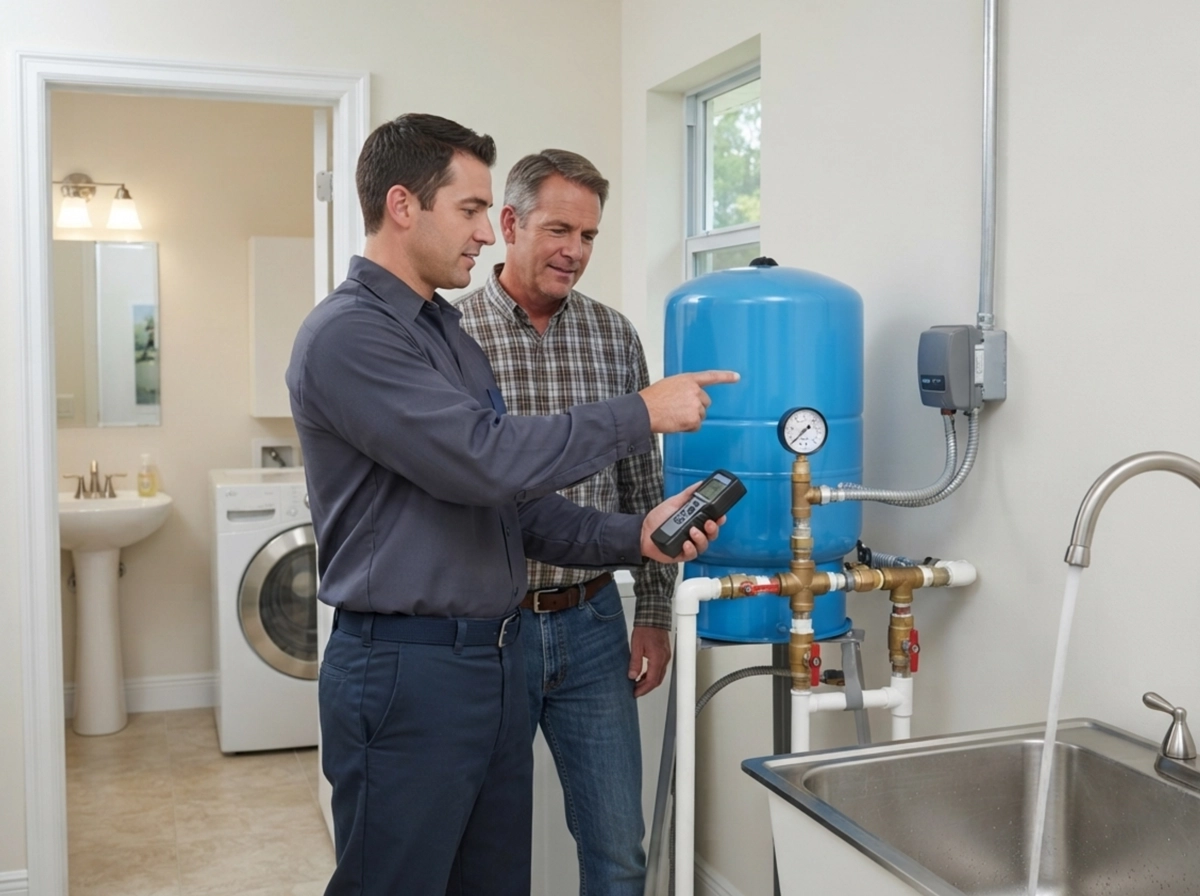
How Does a Pressure Tank Work?
Your pressure tank stores water under pressure using a sealed chamber that contains both water and compressed air. When you turn on a faucet, flush a toilet, or start the washing machine, the compressed air pushes water from the tank into your plumbing system.
As water leaves the tank, the pressure gradually drops. Once it reaches a preset level, called the cut-in pressure, the well pump automatically turns on and begins refilling the tank. When the pressure reaches the cut-out setting, the pump shuts off until more water is needed.
This cycle lets your home enjoy steady water pressure without the pump running every time you use a small amount of water.
Why Does It Protect Your Well Pump?
One of the biggest jobs of a pressure tank is reducing how often your well pump starts and stops.
Without a properly functioning pressure tank, the pump would need to activate almost every time you opened a faucet. This frequent cycling places tremendous stress on the pump’s motor and electrical components, significantly shortening its lifespan.
By storing pressurized water between pump cycles, the pressure tank allows your pump to run less often while still providing reliable water throughout your home. This can help reduce unnecessary wear, improve efficiency, and extend the life of one of the most expensive components of your well system.
Why Proper Tank Size Matters
Many homeowners assume that any pressure tank will do the job, but proper sizing makes a significant difference.
A tank that’s too small can cause the pump to cycle on and off far more often than it should. This excessive cycling can lead to premature pump failure, higher energy consumption, and inconsistent water pressure.
A properly sized pressure tank provides a larger reserve of pressurized water, allowing your pump to operate more efficiently while maintaining stable pressure throughout your home. Factors like your household’s water usage, your well pump’s size, and the pump’s flow rate all influence the ideal tank size.
A professional well technician can recommend the right pressure tank for your specific system and ensure it’s installed correctly.
Signs Your Pressure Tank May Need Attention
Like any part of your well system, pressure tanks can wear out over time.
Some common warning signs include:
- Water pressure that frequently fluctuates
- The well pump turning on and off repeatedly
- Air sputtering from faucets
- Higher electric bills due to excessive pump operation
- Reduced water pressure throughout the home
If you notice any of these symptoms, it’s wise to have your well system inspected before a small issue becomes a larger repair.
Schedule an appointment with A&B Well Drilling & Pump Service. We make well water work for you!